

Indie games have become an influential force in the gaming world, offering fresh, creative experiences that often contrast sharply with the blockbuster, formulaic releases of many AAA games. These indie titles are typically developed by small teams or even a single developer, allowing for creative freedom that sets indie games apart from their AAA counterparts. As gamers increasingly look for more innovative and meaningful gaming experiences, the future of indie game development looks brighter than ever.
By examining the lessons of past successes and failures in both the indie and AAA spaces, game developers can chart a course for creating high-quality, successful indie titles. Understanding the distinctions between indie and AAA games is crucial for anyone interested in the video game industry, as the difference between indie and AAA development processes often influences the gaming experience.
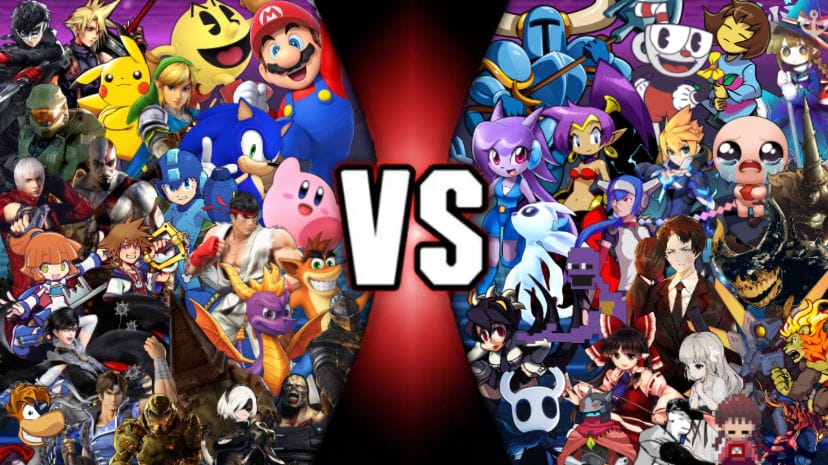
This blog will explore how the indie games of the past have shaped the future of the industry, compare the rise of indie games to the struggles of many AAA titles, and highlight how developers can learn from both to create more polished, successful games. We'll delve into the difference between indie and AAA games, including the role of AA games, and how understanding these distinctions enriches the gaming landscape.
While AAA studios dominated the game industry for years, the emergence of indie games brought a wave of creative experimentation and risk-taking that big-budget titles often avoid. These games are typically developed by independent studios or individuals who have the creative freedom to push the boundaries of traditional game development.
Digital Distribution Platforms: The introduction of Steam, Xbox Live Arcade, and other storefronts gave indie developers direct access to global audiences. Early successes like Super Meat Boy (2010) and Braid (2008) became indie icons, offering unique gameplay mechanics that were fresh, challenging, and different from most AAA titles. These games set indie games apart by delivering unique gameplay experiences without the support of a large publisher.
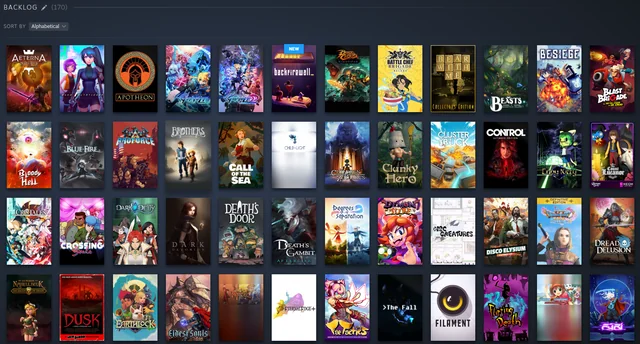
Crowdfunding: Platforms like Kickstarter allowed games such as Shovel Knight (2014) and Hollow Knight (2017) to secure funding directly from gamers who were hungry for new, creative games. This enabled indie developers to avoid traditional publishers, giving them creative freedom and control over their development process. Without a massive marketing budget, these developers relied on the innovative spirit of indie games to attract game lovers.
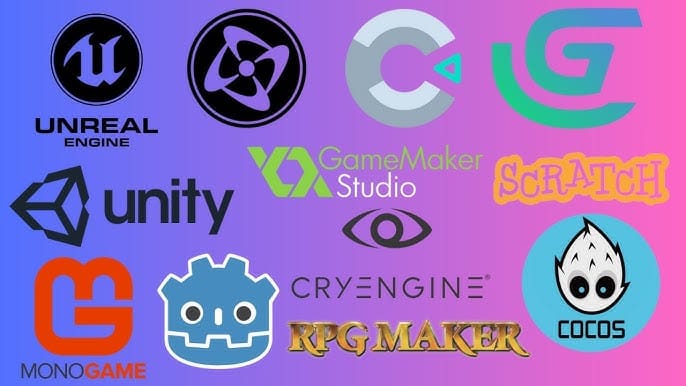
Accessible Development Tools: Game engines like Unity and GameMaker Studio allowed small teams—or even single developers like Eric Barone, the creator of Stardew Valley—to create professional-quality games. Undertale (2015) and Hyper Light Drifter (2016) are perfect examples of indie titles that achieved critical acclaim despite being developed by small teams. These tools made the game creation process more accessible, allowing indie teams to focus on crafting unique gameplay mechanics that cater to different gaming experiences.
While indie games began gaining traction, the AAA gaming space was becoming increasingly burdened with issues that left many gamers feeling dissatisfied. This shift enriched the gaming landscape, as many gamers started exploring indie games, which offer unique gameplay experiences that cater to different tastes.
The gaming community’s shift toward indie games is often linked to frustrations with the AAA industry. In recent years, many AAA games have launched with significant issues, from broken game mechanics to controversial monetization practices. These failures have left players yearning for games that prioritize creativity, quality, and player engagement—qualities that many indie games deliver.
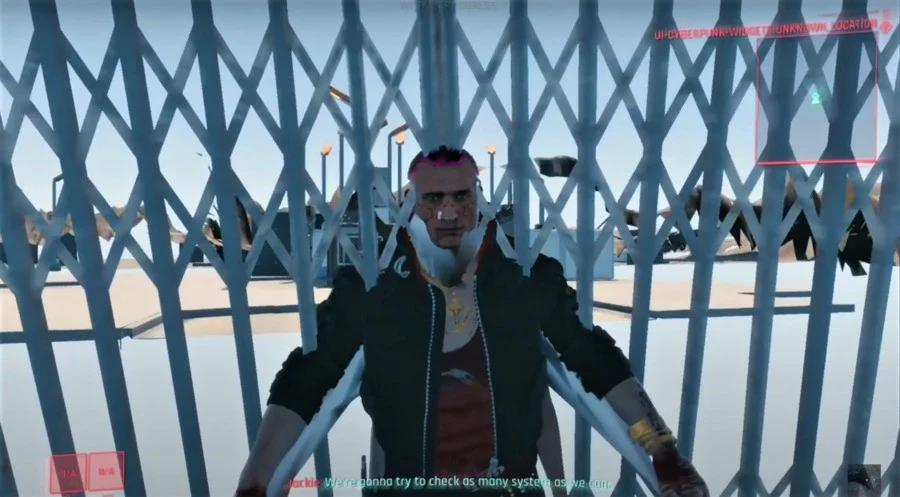
Many high-budget AAA games, which are typically developed by large development teams with substantial budgets and cutting-edge technology, promise grand, open-world experiences or revolutionary mechanics but fail to deliver at launch. One notable example is Cyberpunk 2077 (2020), a game that generated enormous hype leading up to its release, supported by a massive marketing budget. Despite years of development and marketing, the game launched with major technical problems, broken promises regarding gameplay features, and incomplete content. The backlash was severe, with many players losing trust in AAA studios that fail to meet expectations.
In contrast, indie games like Hades (2020) and Dead Cells (2018) won over gamers not by promising the world but by delivering tight, well-executed experiences. These games focused on quality and polish, emphasizing innovation over size, and players responded enthusiastically. This sets indie games apart and makes indie titles often better than AAA counterparts.
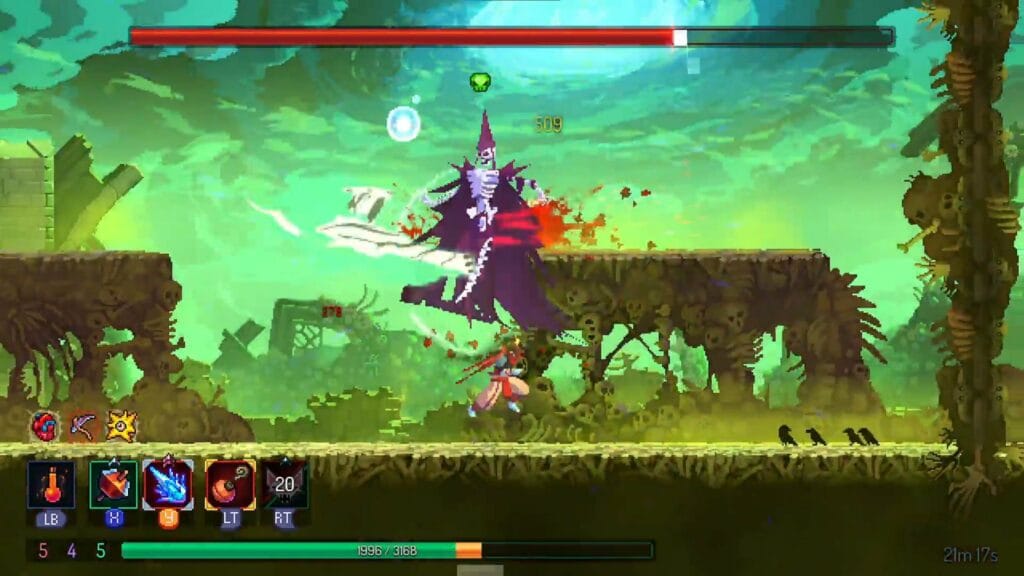
Key Takeaway: AAA game developers often fall into the trap of overpromising and underdelivering, leaving gamers disappointed. Indie developers, often independent studios or individuals working with small teams, focus on smaller, more manageable projects in the indie game development scene. This allows them to deliver a polished and cohesive gaming experience that resonates with players.
Another reason for the growing disillusionment with AAA games is the prevalence of aggressive monetization practices, such as loot boxes, microtransactions, and pay-to-win mechanics. Games like Star Wars Battlefront II (2017) and FIFA Ultimate Team have been criticized for prioritizing profits over player enjoyment, leading to a backlash from the gaming community.
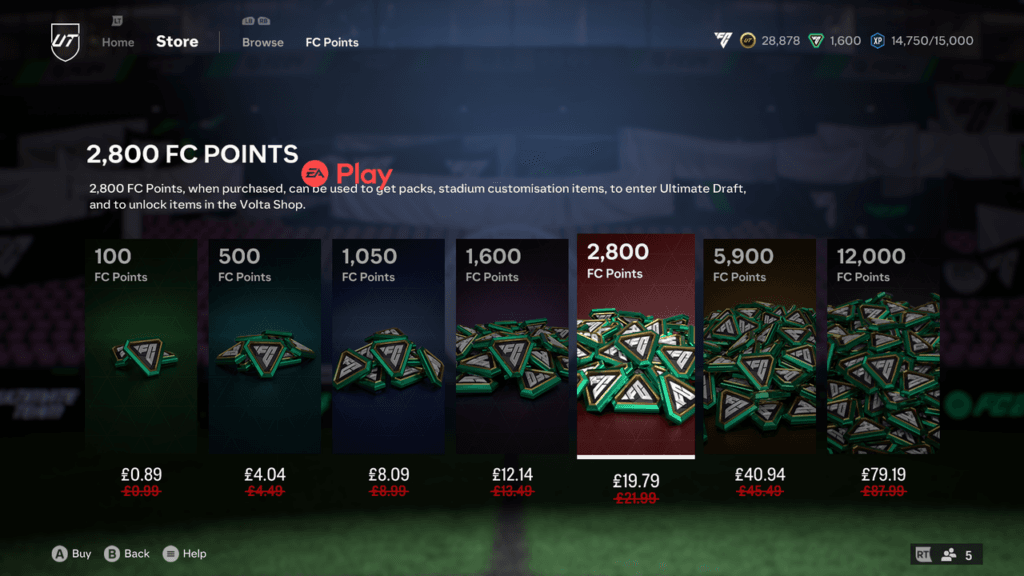
Star Wars Battlefront II, an AAA title from publisher EA, was especially controversial, with its loot box system being seen as exploitative and anti-consumer. The outrage from gamers was so intense that it forced the publisher to rework the game’s progression system, but the damage to its reputation—and that of AAA counterparts—was already done.
Indie games, on the other hand, often adopt more player-friendly monetization models. Many indie titles, like Celeste (2018), Slay the Spire (2019), and Hollow Knight (2017), offer complete experiences for a one-time purchase, with no additional microtransactions or pay-to-win mechanics. These games offer unique gameplay mechanics without the burden of aggressive monetization, which helps foster goodwill within the gaming community.
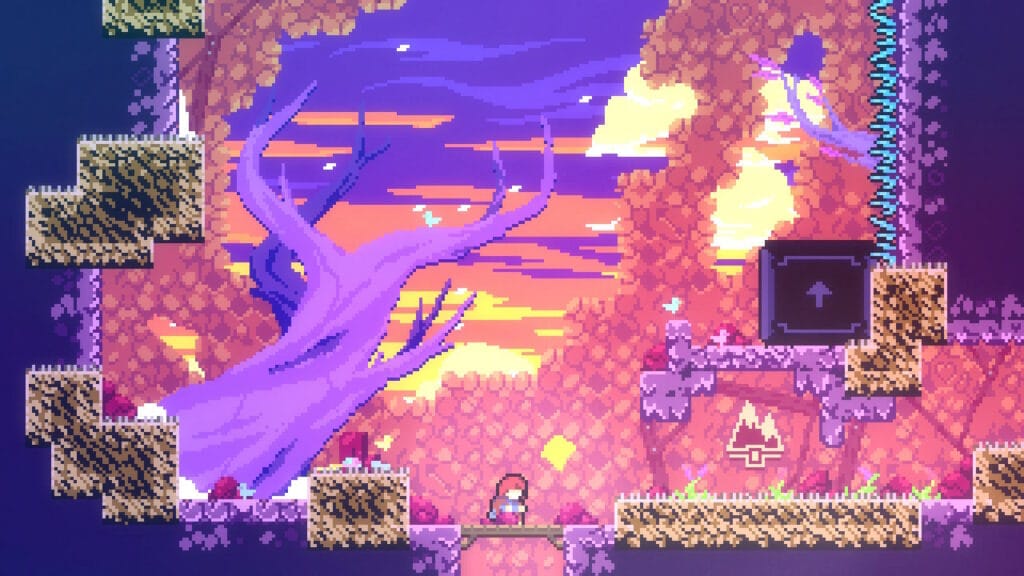
Key Takeaway: As AAA studios focus increasingly on monetization and revenue streams, indie developers can differentiate themselves by prioritizing the player experience and offering fair, transparent pricing models. This is a key factor in the growing preference for indie games over AAA titles, setting indie games apart in the gaming landscape.
AAA studios, driven by massive budgets and high financial stakes, often stick to formulaic designs that ensure commercial success but lack creativity. This is evident in the annual releases of franchises like Call of Duty and Assassin's Creed, where innovation takes a back seat to safe, tried-and-true formulas. Many players have expressed fatigue with the repetitive nature of these games, which fail to offer anything fresh or exciting.
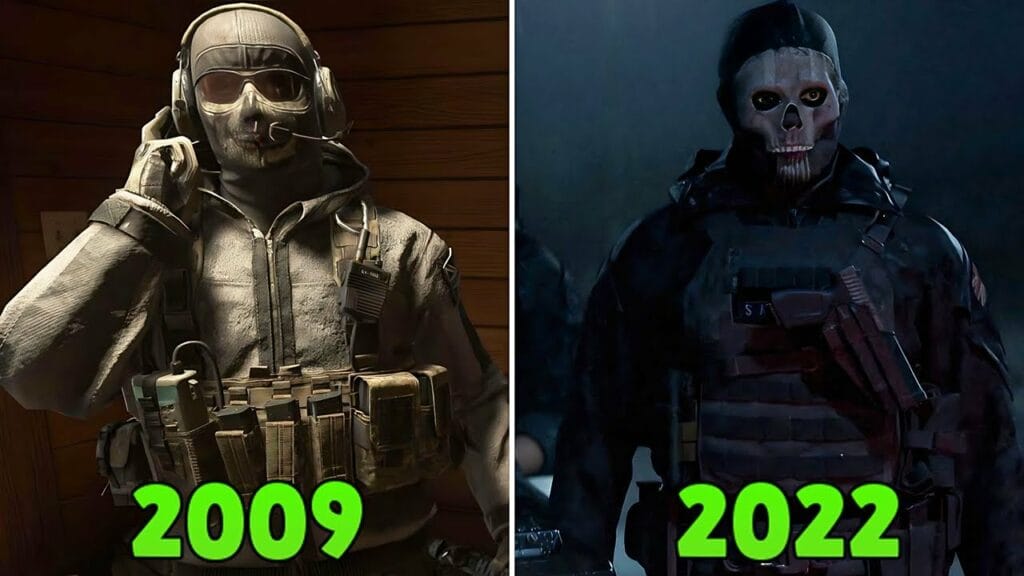
In contrast, indie games are often celebrated for their willingness to experiment and push the boundaries of game design. Titles like Undertale (2015) and Papers, Please (2013) defy traditional genre conventions, offering unique gameplay that resonates with players on a deeper level. Papers, Please, for instance, turned the mundane task of border control into a morally complex and emotionally engaging experience—something a big-budget AAA studio might be less willing to take risks on. This innovative spirit of indie games sets them apart and highlights the distinctions between indie and AAA development.
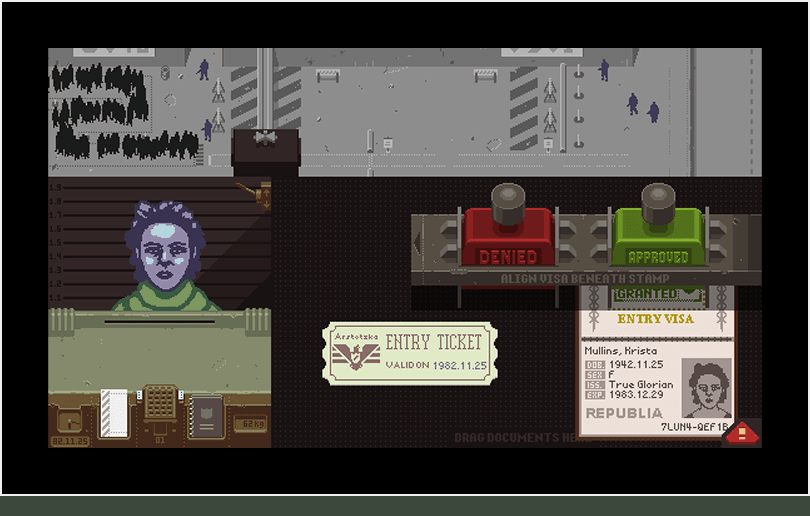
Key Takeaway: Indie games have the freedom to innovate and take risks, while AAA titles often stick to safe formulas. This has led to a shift in the gaming community, with many players gravitating toward indie games for their originality and creativity.
As players continue to look for fresh experiences beyond the AAA market, indie developers can learn valuable lessons from past indie successes. Understanding what makes indie games stand out can help developers create titles that not only resonate with players but also push the boundaries of what's possible in game development.
The most successful indie games often bring something new to the table. For example, Celeste (2018) offered challenging, precise platforming mechanics combined with a touching story about mental health. The combination of tight gameplay and emotional resonance made it a standout hit.
Similarly, Hades (2020) merged the roguelike genre with a narrative-driven experience, offering players a reason to keep playing beyond just the gameplay. The game's innovative approach to storytelling—where dialogue and character interactions evolve after each failed run—set it apart from other roguelikes and helped it become one of the most beloved indie titles of the year.
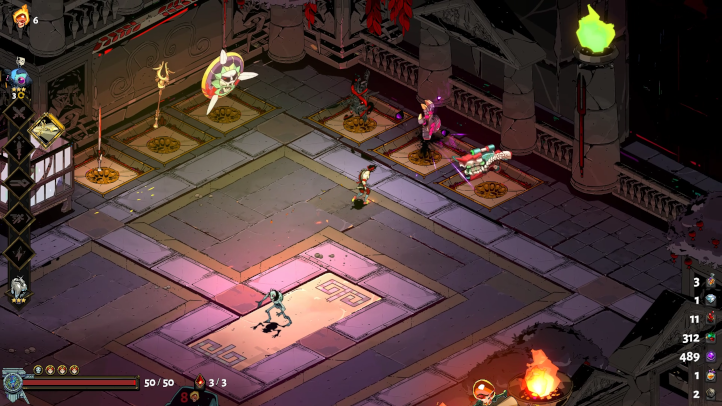
Key Takeaway: Indie developers should prioritize innovation, offering players unique gameplay experiences. In contrast to AAA titles that may focus on large open worlds or cinematic storytelling, indie games thrive by delivering fresh mechanics and thoughtful design.
Indie games often use distinctive art styles to stand out. Hollow Knight (2017) is a prime example, with its stunning hand-drawn visuals and atmospheric world design. The game's art direction not only made it visually memorable but also enhanced the immersive experience of exploring its dark, mysterious world.
This stands in contrast to many AAA games that, while technically impressive, often adopt hyper-realistic graphics that can feel generic or lack personality. Games like Anthem (2019), despite their big budgets and better graphics, were criticized for feeling soulless or overly focused on technical spectacle at the expense of meaningful design choices.
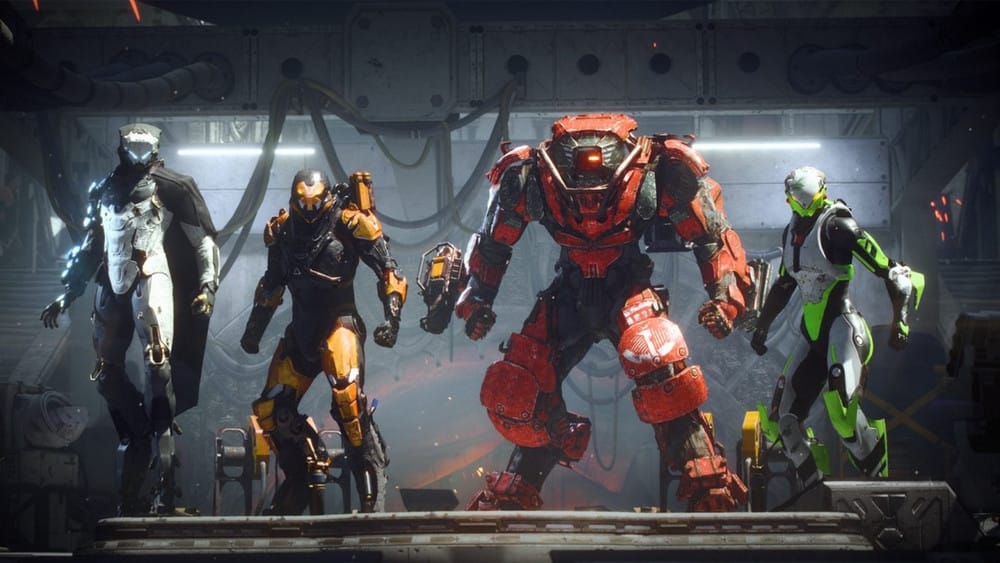
Key Takeaway: Strong artistic vision and unique game art can help indie games distinguish themselves from the often homogeneous visual style of AAA titles. Games like Hollow Knight and Cuphead (2017) use unique art styles that enhance the overall experience and leave a lasting impression on players.
Many indie games have captured players' hearts by offering emotionally resonant stories that big-budget games often struggle to replicate. Undertale (2015) is a shining example of this, with its subversion of traditional RPG mechanics and deeply emotional narrative. Players could choose to spare enemies rather than fight them, creating a moral dilemma that made the game's story even more impactful.
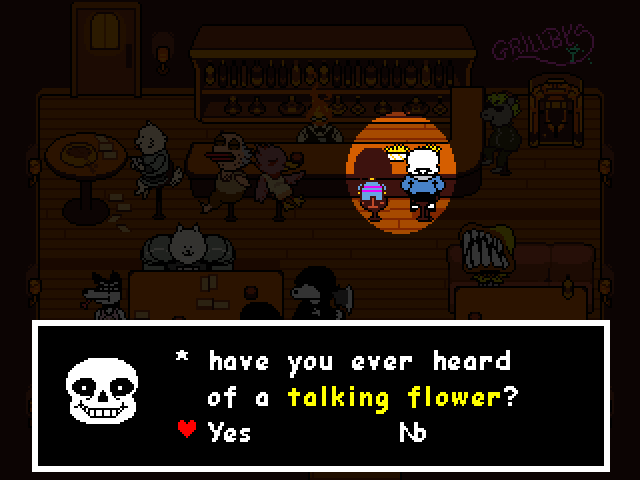
In contrast, many AAA games rely on blockbuster-style narratives that focus on spectacle rather than emotional depth. While games like The Last of Us Part II (2020) manage to deliver deep, complex stories, many others in the AAA space struggle to provide the same level of emotional connection.
Key Takeaway: Emotional engagement and thoughtful storytelling can elevate an indie game into something truly memorable. Indie developers can focus on crafting meaningful narratives that resonate with players on a personal level.
The shift toward indie games can be attributed to several key factors that resonate with today’s gaming audience. As players grow tired of the missteps and lack of innovation in the AAA space, indie games are increasingly viewed as the future of creative, high-quality gaming. This shift enriches the gaming landscape and caters to different preferences within the gaming community.
As the video game industry continues to evolve, indie games are increasingly being recognized as the heart and soul of innovation, creativity, and player engagement. While AAA titles often struggle with overambition, formulaic design, and exploitative monetization practices, indie developers are delivering the kinds of games that players are clamoring for—games that are original, emotionally resonant, and built with care.
By learning from past successes and failures, both in the indie and AAA spaces, future indie developers can continue to push the boundaries, create memorable experiences, and attract the growing audience that’s shifting away from big-budget games in search of something new. The future of indie games is bright, and their continued success will help shape the gaming industry for years to come.
Here at SaveGame, we’ll be taking a deeper dive into the world of indie games, exploring upcoming releases, analyzing the design choices behind popular indie hits, and providing in-depth reviews of new and exciting titles. Whether you’re a passionate gamer looking for your next indie favorite or a developer hoping to learn from the best, stay tuned as we shine a spotlight on the innovative and captivating world of indie game development.


